


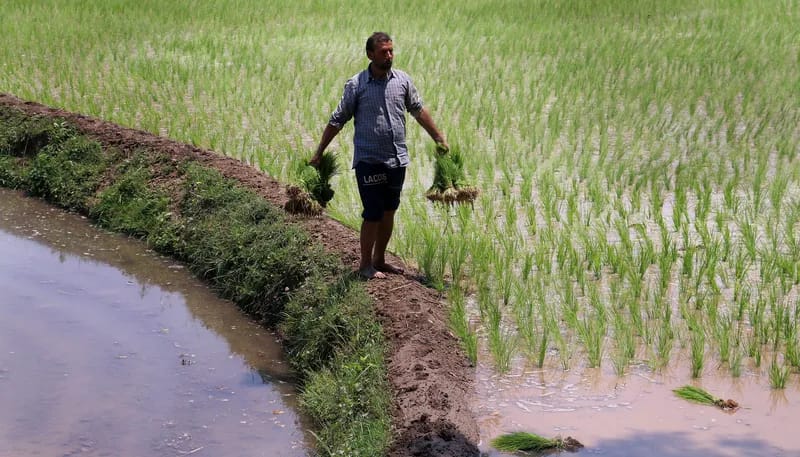
The Kashmir Valley, blessed with fertile soil, abundant water resources and a temperate climate, has long been regarded as a horticulture hub. Apples, cherries, walnuts, apricots and saffron grown in the valley are renowned worldwide for their quality and flavour.
For generations, horticulture has been an occupation and a lifeline for thousands of small farmers. Today, with rising challenges in traditional agriculture and limited landholdings, boosting income through horticulture is becoming a vital strategy for sustainable rural development in the valley.


Horticulture contributes nearly 8% to Jammu & Kashmir’s Gross Domestic Product and provides direct or indirect employment to over 3.5 million people. Small farmers, often owning fragmented plots of land, find horticulture more rewarding than conventional cereal crops.
Apple cultivation alone covers around 3.5 lakh hectares of land in Kashmir, making it the backbone of the rural economy. However, despite this potential, many farmers struggle to realise adequate profits due to outdated practices, market inefficiencies and poor value addition.
Traditional orchards take 8–10 years to bear fruit, whereas high-density apple plantations start yielding in just 2–3 years. High-Density Plantations increases productivity per hectare by three to four times, enabling farmers to generate quicker and higher returns. The government’s Mission for Integrated Development of Horticulture has already begun supporting this shift.
While apples dominate the scene, cherries, plums, apricots, pears and almonds offer excellent income diversification. Off-season vegetables and floriculture also carry high market value. Small farmers can minimise risks from market fluctuations or climatic shocks by cultivating various crops.
Raw produce fetches limited returns, but processed products, like apple juice, walnut oil, dried apricots, and saffron-based cosmetics, command far better prices in national and international markets. Establishing small-scale processing units, supported by cooperatives or Farmer-Producer Organisations can transform the earnings of rural households.
Kashmiri produce holds premium demand due to its natural quality. However, intermediaries often deprive farmers of fair profits. Direct market linkages, e-commerce platforms and branding initiatives under “Kashmir Organic” or “GI-tagged products” can give small farmers access to broader, more profitable markets.
One of the most significant income leakages occurs due to post-harvest losses. With better cold storage facilities, transport networks and packaging technologies, farmers can preserve quality and negotiate better prices in distant markets rather than selling hurriedly at lower local rates.
Capacity building is crucial for these opportunities to translate into real gains. Training programs in modern orchard management, pruning, pest control and post-harvest techniques can significantly improve productivity. Furthermore, access to low-interest credit and crop insurance schemes will safeguard farmers against natural calamities, which often hit the valley.
Horticulture in the Kashmir Valley is an agricultural activity and a strategic pathway for rural prosperity. By embracing high-density plantations, diversifying crops, strengthening processing and branding modernising infrastructure, small farmers can boost their incomes manifold. The valley, often described as a paradise on earth, promises to become a model for horticulture-driven growth in India. With the right policies and farmer-centric interventions, the orchards of Kashmir can be improved.