


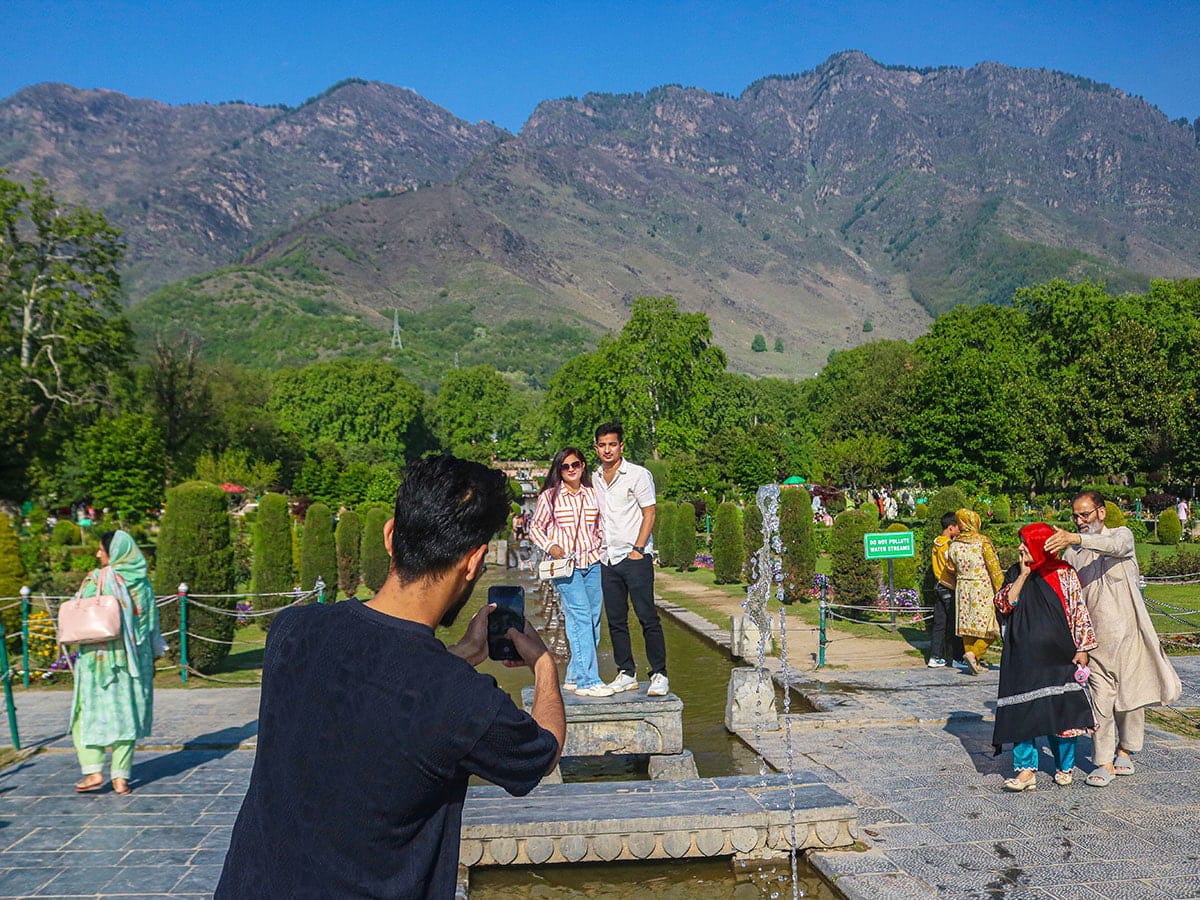
Tourism has long been vital to economic growth and cultural exchange worldwide. Tourism becomes even more critical for regions rich in natural beauty, heritage and history, as it draws people for both leisure and spiritual, educational and cultural reasons. Kashmir, often called “Paradise on Earth,” is one such region.
Nestled between the majestic Himalayan and Pir Panjal ranges, Kashmir boasts breathtaking landscapes, serene lakes, lush valleys and unique traditions that have fascinated travellers for centuries.
Over the past few years, tourism in Kashmir has experienced significant growth, and its importance to the region has never been more evident. This article will explore Kashmir’s growing tourism sector and its vital role in the region’s economy, culture and overall development.
The tourism industry in Kashmir has witnessed both highs and lows over the decades. Historically, it has been a major attraction for visitors from across the globe, but periods of political instability have often hindered its growth.
However, recent years have shown a promising upward trend in tourism, with the government and private sectors working together to revitalise the region’s appeal. Several factors have contributed to this growth. Kashmir’s natural beauty, with its snow-clad mountains, pristine rivers and dense forests, remains a primary draw for tourists.
Its cultural and historical significance, with its unique blend of Hindu, Buddhist and Islamic heritage, also contributes significantly to its appeal. Additionally, infrastructure improvements have made the region more accessible. New roads, better air connectivity and an emphasis on hospitality standards have increased tourism potential. Efforts to promote Kashmir as a year-round destination, rather than a seasonal one, have also been instrumental. Winter tourism, for example, has seen a marked rise with the popularity of skiing and snowboarding in regions like Gulmarg. As a result, Kashmir is not just a summer retreat but a winter wonderland as well.
Tourism is often called the backbone of Kashmir’s economy. Due to geographical constraints, there are limited opportunities in industries such as manufacturing or technology, but tourism offers the region an invaluable economic lifeline. The growth of tourism has resulted in the generation of employment for thousands of people in the area, from hospitality and transportation to handicrafts and guide services. For many, tourism is not just a source of income but a way of life that sustains entire communities.
One of tourism’s most significant contributions is the creation of small and medium enterprises. Local entrepreneurs have set up guesthouses, restaurants, handicraft stores and tour agencies, boosting the local economy and creating employment opportunities. The ripple effect of tourism extends to industries such as agriculture, as local farmers supply fresh produce to hotels and restaurants and artisans benefit from the increased demand for traditional Kashmiri handicrafts like carpets, shawls and papier-mâché products. Foreign exchange earnings are another critical aspect of tourism in Kashmir. As international tourists visit the region, they bring in foreign currency, helping to balance the local economy and contributing to national growth. Kashmir’s strategic location also makes it a prime destination for cross-border tourism from neighbouring countries.
Tourism is vital in fostering cultural exchange between locals and visitors. With its rich tapestry of traditions, language and customs, Kashmir offers travellers a unique glimpse into a way of life that is deeply connected to nature, spirituality and history. Tourists come to admire the region’s natural beauty and learn about its rich heritage, including its cuisine, music, dance and craft. This exchange benefits both parties. For visitors, it’s an opportunity to immerse themselves in a different culture, gaining understanding and appreciation for Kashmir’s way of life. For the people of Kashmir, tourism serves as a bridge to the outside world, promoting cultural pride and a greater sense of global belonging. Moreover, the revenue generated from tourism can help preserve and promote local culture. Government and private initiatives have emerged to protect Kashmir’s historical sites, traditional arts and regional festivals. These initiatives ensure that the region’s cultural heritage is preserved for future generations and create new opportunities for cultural tourism, further boosting the industry.
As the world becomes more environmentally conscious, the demand for sustainable tourism practices has grown and Kashmir is no exception. Ecotourism has emerged as a key component of the region’s tourism strategy, promoting responsible travel that preserves the environment and supports the local economy. Kashmir’s unique biodiversity, with its diverse flora and fauna, makes it an ideal destination for ecotourism. Initiatives such as guided nature walks, wildlife tours and conservation projects are being promoted to attract tourists interested in nature and conservation. Ecotourism helps protect Kashmir’s fragile ecosystems and encourages local communities to adopt sustainable practices that benefit both the environment and the economy. Eco-friendly accommodations, such as eco-lodges and home-stays, are becoming more popular, providing tourists with a more authentic and responsible travel experience. These accommodations often use local materials, promote energy conservation and support local communities through employment and sourcing local products. This shift towards sustainable tourism is crucial for ensuring that Kashmir’s natural beauty is preserved for future generations while still allowing the local population to benefit from tourism.
Tourism growth in Kashmir is heavily dependent on infrastructure development and the support of both the government and private sectors. Recognising tourism’s potential as a key driver of the region’s economy, the government has invested in improving transportation, accommodation and public services. One of the most Significant
Developments have been the improvement of air connectivity. Srinagar, the capital of Jammu and Kashmir, has seen an increase in flights from major Indian cities, making it easier for tourists to reach the region. Efforts are also being made to improve road networks, making remote areas like Pahalgam, Sonamarg and Gulmarg more accessible. Besides physical infrastructure, the government has also focused on promoting Kashmir as a safe and welcoming destination. Initiatives such as “Incredible India” campaigns, partnerships with travel agencies and participation in international tourism fairs have helped raise awareness about the region’s potential as a world-class tourist destination.
Kashmir’s growing tourism industry holds immense potential for the region’s economic growth and cultural preservation, environmental sustainability and social development. As more people worldwide seek unique and meaningful travel experiences, Kashmir’s unparalleled beauty and rich heritage offer an irresistible allure. By continuing to invest in infrastructure, promote sustainable tourism practices and support local communities, Kashmir can ensure that tourism remains a vital and positive force for the region’s future. The path forward will require careful planning, collaboration between the public and private sectors and a commitment to preserving the elements that make Kashmir a sought-after destination.
In the end as tourism in Kashmir grows, it will benefit not only the local economy but also strengthen the bonds between the region and the global community, positioning Kashmir as one of the world’s most cherished travel destinations.