

In a major healthcare outreach initiative aimed at extending specialised ophthalmic services to people living in remote and difficult areas of Kashmir, the Indian Army is set to conduct a seven-day mega cataract surgery camp under “Operation Drishti”, with 400 patients shortlisted for surgery. The initiative is being organised by the Indian Army under the aegis of Chinar Corps in coordination with the Directorate General of Armed Forces Medical Services (DGAFMS). The camp, scheduled from September 23 to 30, will provide advanced eye care to underprivileged civilians and veterans, particularly those residing in remote and geographically challenging areas.
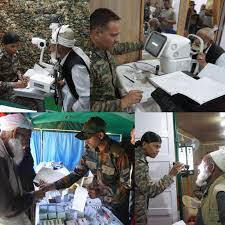
The initiative has been planned to take specialised ophthalmic treatment closer to communities that may face difficulties in accessing advanced medical facilities. As part of the preparations, extensive screening camps were conducted by 92 Base Hospital across several far-flung locations of Kashmir. The screening exercise covered areas including Tangdhar, Uri, Bandipora, Khanabal, Kangan, Dawar and Baramulla, enabling medical teams to identify patients requiring cataract surgery.
Following the screening process, around 400 patients have been identified and shortlisted for the surgical procedure. The selected beneficiaries include underprivileged civilians and veterans who will receive the specialised treatment without any cost under the initiative. The medical outreach has also brought together specialised resources and personnel from different Army medical establishments. A highly specialised surgical team from Army Hospital (Research & Referral), New Delhi, has been mobilised for the programme.
The team is being led by Brigadier (Dr.) Sanjay Kumar Mishra, Head of Ophthalmology, and will undertake the surgical procedures in coordination with 92 Base Hospital and other medical and non-medical units involved in the initiative. To facilitate the surgeries, advanced diagnostic equipment and micro-surgical facilities have been deployed for the camp. The arrangements have been made to provide specialised cataract care at no cost to the identified beneficiaries. The surgical programme has been divided into two phases, allowing patients from different areas to access the services at designated medical facilities. During the first phase, scheduled for September 24 and 25, around 200 patients will undergo cataract surgery at the Underground Forward Surgical Centre (UG FSC), Ex 328 Field Hospital, Tangdhar.
The second phase will be conducted on September 28 and 29 at 92 Base Hospital, BB Cantonment, Srinagar, where another 200 patients are scheduled to undergo surgery. The selection of Tangdhar as one of the surgical locations is significant in view of the difficult terrain and dispersed habitations in the area. By establishing specialised surgical arrangements closer to the local population, the initiative seeks to reduce the need for beneficiaries to travel long distances for advanced ophthalmic treatment. For patients from other parts of Kashmir, the screening camps conducted in different districts have provided an avenue to identify those requiring cataract intervention and facilitate their participation in the specialised medical programme. Cataract remains a condition requiring specialised ophthalmic assessment and surgical intervention when it significantly affects vision. Through Operation Drishti, the Army has combined screening, diagnosis, specialist consultation and surgical care under a single outreach programme. The involvement of the specialised team from Army Hospital (Research & Referral), New Delhi, is also aimed at bringing specialised ophthalmic expertise to the beneficiaries in Kashmir. The surgical team will work alongside personnel from 92 Base Hospital and other participating units throughout the programme. The initiative is being conducted under the broader healthcare outreach efforts of the Indian Army in Jammu and Kashmir. The Army said the programme reflects its sustained commitment towards providing medical assistance to communities residing in remote and challenging areas. Operation Drishti is also being undertaken under the Army’s Op Sadbhavana outreach framework, through which healthcare and other assistance are extended to people living in areas where access to specialised facilities can be challenging.
The seven-day initiative, therefore, brings together medical screening, specialised surgical expertise, advanced equipment and coordinated healthcare arrangements to cater to patients identified from several areas of Kashmir. With 400 patients shortlisted for cataract surgery, the programme is expected to provide a significant number of beneficiaries with access to specialised ophthalmic treatment during the scheduled phases. The Army said that bringing advanced medical care closer to the local population addresses the shortage of specialised ophthalmic facilities in dispersed and remote habitations.
The initiative also involves coordination between multiple Army medical and non-medical units, reflecting the scale of arrangements required for conducting specialised surgeries in both Tangdhar and Srinagar. As the first phase begins in Tangdhar, patients shortlisted through the earlier screening exercise will undergo surgery at the Underground Forward Surgical Centre of Ex 328 Field Hospital. The remaining beneficiaries will receive surgical treatment during the second phase at 92 Base Hospital in Srinagar. Through the initiative, the Army aims to extend specialised eye care beyond conventional hospital settings and reach beneficiaries in areas where access to advanced ophthalmic services may remain difficult due to geographical and logistical challenges. The medical camp is expected to conclude with the completion of the two surgical phases on September 29, while the overall Operation Drishti initiative is scheduled to continue until September 30. The Army has described the initiative as part of its continued healthcare outreach under Op Sadbhavana and as an effort to strengthen its engagement with communities across the Kashmir Valley.