

As India observes Rashtriya Ekta Diwas and commemorates the 150th birth anniversary of Sardar Vallabhbhai Patel, the nation revisits a truth as old as its independence — India’s greatest strength lies in its unity. From 1947 to the present day, unity has been both a moral compass and a strategic necessity. It is not a gift inherited, but a legacy maintained through will, wisdom, and constant effort.
Architect of Integration


When India gained independence, it faced an enormous challenge — to knit together over 560 princely states into a single national framework. These states varied in power, culture, and political systems, and yet, through determination and diplomacy, Sardar Patel ensured their voluntary accession to the Union.
His approach was neither coercive nor complacent. Patel combined firmness with persuasion, ensuring that every ruler and region found a place in the collective destiny of India. Through instruments of accession, administrative reforms, and institutional innovation, he turned a fragmented subcontinent into a united federation.
He also laid the foundations of the modern administrative structure — the All-India Services and central institutions that continue to serve as the “steel spine” of Indian governance. This system ensured that unity was not just territorial, but also institutional and operational — a balance between authority and accountability.
Unity Rooted in Diversity
Patel’s vision transcended geography. He understood that maps unite land, but culture unites people. True nationhood is lived through shared customs, common festivals, and collective memories.
India’s strength lies in its ability to hold contradictions harmoniously — where hundreds of languages, faiths, and traditions coexist with dignity. Every region contributes a distinct rhythm to the national harmony.
In this tapestry, women remain vital custodians of culture and community life. Through rituals, oral traditions, local leadership and family bonds, they transmit values that sustain unity at the grassroots. The everyday contributions of women keep India’s social and cultural heartbeat steady — unseen yet indispensable.
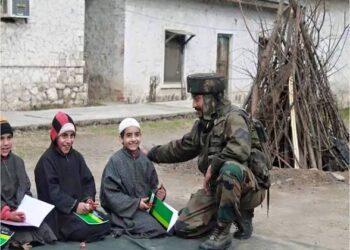
Art, literature, music, and theatre have always been instruments of emotional integration. They nurture empathy, respect, and belonging. But alongside this cultural fabric, institutions such as the police, armed forces and CAPFs ensure the peace in which diversity can thrive. Unity requires both — the compassion of culture and the discipline of institutions.
Strong Institutions, Secure Nation
National integration is safeguarded when governance remains transparent, inclusive, and citizen-centric. Administrative and security institutions form the backbone of public trust. When people see that law and justice are applied equally, unity strengthens.
On Ekta Diwas, when citizens and officers take the Unity Pledge together, it reaffirms that both the state and society share responsibility for cohesion. Integrity in public service is not only a professional duty; it is a patriotic act that sustains the Republic’s faith in itself.
From Commemoration to Commitment
The Statue of Unity in Kevadia stands as a monumental symbol of Patel’s enduring vision — not just a memorial, but a reminder of collective responsibility. Monuments inspire, but real unity lives through daily effort — in policy, in education, and in empathy.
The Sardar Patel National Unity Award, community marathons, and “Run for Unity” events reflect this living legacy. Unity cannot be ornamental; it must be felt in governance, in equal opportunities, and in inclusive growth.
Economic balance and regional connectivity are modern expressions of national oneness. When development reaches the remotest village through new highways, digital bridges, and social schemes, the meaning of unity becomes tangible. Integration today must be both political and economic.
Education and Civic Consciousness
Education plays a central role in shaping unity. Beyond academic instruction, it must cultivate empathy, civic understanding, and constitutional values. Young citizens must learn that unity is not uniformity — it is shared purpose amidst diversity.
Schools and colleges should use Ekta Diwas not merely as an event day, but as a space for discussion on the meaning of being Indian, on inclusion, and on mutual respect. The next generation must inherit not only freedom but the wisdom to sustain it.
Unity as Strength in a Changing World
In an era defined by global uncertainties and strategic competition, a cohesive India commands respect. Sardar Patel foresaw that India’s global standing depends on its internal solidity. National unity is not only a domestic virtue; it is a foundation for strong diplomacy, credible leadership, and international trust.
Patel’s timeless words still resonate:
“Forget that you are a Hindu or a Muslim. Remember that you are an Indian first.”
This spirit must remain our collective compass. The boundaries may be drawn, but unity lives in the hearts and conduct of citizens. Each generation must renew this pledge — to stand together, rise together, and move forward together.
Conclusion
Rashtriya Ekta Diwas is not only a tribute to Sardar Vallabhbhai Patel’s legacy — it is a reminder of our shared duty. Unity is not inherited; it is practiced. It requires compassion, fairness, and faith in one another.
As India marches ahead in the 21st century, let every citizen uphold the idea of “One India, One Vision, One Destiny.”
That is the true homage to the Iron Man of India — the unifier whose spirit continues to guide the nation’s path toward peace, prosperity, and pride.
Jai Hind.