


Reviving Kashmir’s Traditional Crafts: From Heritage to New Opportunities


Arshid Rasool
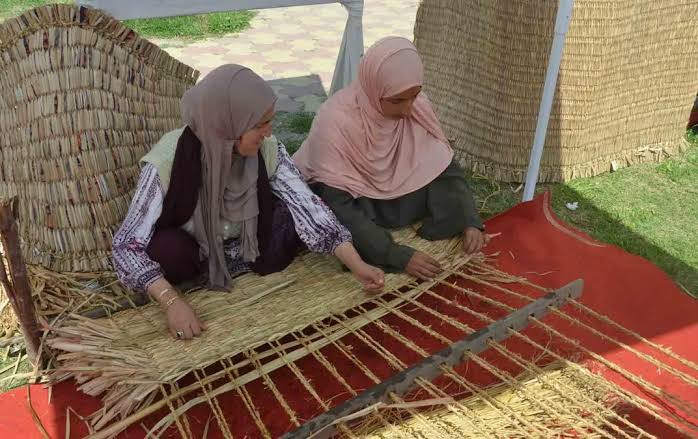
Kashmir’s identity is shaped not only by its natural beauty and rich history but also by its centuries-old tradition of handicrafts. Glazed pottery, copperware, Kandkaari, wood carving, papier-mâché, carpet weaving and embroidery have long reflected the creativity, patience and craftsmanship of Kashmiri artisans. These crafts are more than handmade products; they represent the cultural heritage of the region and preserve knowledge that has been passed down from one generation to another. However, the growing availability of cheaper machine-made products, changing consumer preferences and a declining number of young people entering traditional occupations have created challenges for several of these crafts. At such a time, efforts to preserve traditional skills while creating new opportunities for artisans assume particular importance.
In this direction, the Union Ministry of Textiles has sanctioned ₹14.90 lakh for two-month training programmes under the Guru Shishya Hastshilp component of the National Handicrafts Development Programme (NHDP). Under the initiative, the Craft Development Institute (CDI), Srinagar, will train 30 artisans in Glazed Pottery in Baramulla and another 30 artisans in Copperware, particularly Kandkaari, in Srinagar. The training of 60 artisans represents a focused effort to transfer specialised traditional skills to a new generation and ensure that techniques developed and refined over decades do not disappear with the ageing of experienced craftsmen. The Guru-Shishya model is particularly relevant to traditional crafts because much of the knowledge involved cannot be effectively acquired through books or classroom-based instruction alone. Techniques such as preparing and shaping clay, glazing and firing pottery, or creating intricate designs on copper require observation, repeated practice and direct guidance from an experienced artisan. Through this traditional learning model, master craftsmen can pass on their technical knowledge as well as the discipline, patience and attention to detail required to master a craft. At the same time, young trainees get an opportunity to learn directly from practitioners who possess years of experience and a deep understanding of their respective crafts.
The training in Glazed Pottery in Baramulla can help strengthen a craft that combines traditional knowledge with artistic expression. From selecting and preparing clay to shaping, drying, glazing and firing, every stage requires specialised skills. Training a new generation of artisans can help preserve these techniques while also encouraging experimentation with contemporary designs and products suited to changing consumer preferences. Similarly, Copperware and Kandkaari represent a distinctive aspect of Kashmir’s craft heritage. The intricate workmanship involved in shaping, decorating and finishing copper products requires considerable experience. Ensuring that these skills reach younger artisans is therefore essential for maintaining continuity in the craft tradition. The challenges facing traditional crafts are not limited to the preservation of skills. The economic sustainability of artisans is equally important. Mass-produced products are often cheaper and more readily available, making it difficult for handmade products to compete on price alone. At the same time, young people have access to a wider range of career opportunities and may be reluctant to enter traditional occupations if they perceive limited income or uncertain markets. The long-term revival of handicrafts therefore requires a combination of skill development, market access, product innovation and sustainable livelihood opportunities.
In this context, training programmes can have significance beyond cultural preservation. A stronger base of skilled artisans can support small workshops, family enterprises and local supply chains while generating opportunities for young people to remain connected with their cultural heritage. With appropriate branding, modern designs, digital marketing and access to wider markets, traditional Kashmiri products can reach customers across India and abroad. Tourism can also play an important role, as visitors often look for authentic handmade products that represent the culture and identity of the places they visit. The revival of traditional crafts does not mean keeping them unchanged. Rather, it involves protecting the techniques and cultural knowledge that give these crafts their identity while allowing artisans to adapt them to contemporary markets. New designs, product categories, packaging and digital platforms can help make traditional crafts more attractive to younger consumers without compromising their traditional character. Exhibitions, handicraft fairs, tourism markets and online platforms can further provide artisans with opportunities to showcase their work and expand their customer base.
The ₹14.90 lakh allocation and the training of 60 artisans in Glazed Pottery and Copperware represent a focused step towards this broader objective. More importantly, the Guru-Shishya approach places experienced craftsmen at the heart of the revival process, recognising them as custodians of knowledge accumulated over generations. By transferring this knowledge to young artisans, the initiative can strengthen the link between Kashmir’s traditional heritage and its future. The revival of Kashmir’s traditional crafts ultimately depends on keeping both the skills and the artisan community alive. Government support, institutional training, better market access, innovation and public appreciation can together create a stronger foundation for their future. When traditional craftsmanship becomes a viable and dignified livelihood for younger generations, Kashmir’s artistic heritage can continue to evolve while retaining its distinctive identity. Preserving these crafts is therefore not simply about protecting the past; it is about carrying forward the knowledge, creativity and livelihoods associated with them and giving them a sustainable place in Kashmir’s future.