

Not every transformation announces itself through grand ceremonies. Some changes enter our lives quietly.
They can be seen in a shop remaining open until its usual closing time, in a student completing an academic session without prolonged disruption, in a family stepping out for an evening without first checking whether the situation is tense, and in a tourist making plans with confidence rather than uncertainty.


As Jammu and Kashmir completes seven years since the constitutional changes of August 5, 2019, there will be much discussion about Article 370. Political parties will interpret the anniversary according to their respective positions. Constitutional experts will examine its legal meaning, while administrators will present figures relating to infrastructure, investment and public welfare.
As someone who has lived in Jammu and Kashmir, I see the change through a simpler measure: the growing space available for ordinary life.
For a region that has spent decades under the shadow of violence, unrest and uncertainty, normality is not an insignificant achievement. It is the foundation upon which every other form of progress depends.
A road can be constructed in a disturbed region, but it will not deliver its full economic value if movement remains uncertain. A hotel can be built, but it cannot sustain livelihoods without tourists. A school can have modern classrooms, but education cannot flourish when the academic calendar is repeatedly interrupted. A young entrepreneur may possess ideas and ability, but a business requires stability, customers and confidence.
Peace, therefore, is not merely one achievement among many. It is the condition that makes all other achievements meaningful.
Those who have lived through earlier periods remember how uncertainty entered almost every aspect of life. Parents worried about children returning from school. Traders could not predict whether markets would remain open. Tourists cancelled bookings. Students lost valuable classroom time. Transport services were affected, examinations were postponed and daily-wage earners often suffered the most.
The economic cost was significant, but the emotional cost was perhaps even greater. People gradually learned to plan their lives around possible disruption.
The change visible today is that disruption no longer defines the daily routine in the same manner.
Official data indicate a substantial reduction in organised shutdowns and terrorist-initiated incidents. Organised strikes and shutdowns, recorded at 52 in 2018, fell to zero from 2023 through April 2026. Terrorist-initiated incidents declined from 228 in 2018 to 12 in 2025. These figures must be understood with seriousness and without triumphalism, because every act of violence and every lost life remains a tragedy. Nevertheless, the broader improvement in the security environment is real and has affected public life.
The most persuasive evidence of peace is not found in official statements. It is found in changed behaviour.
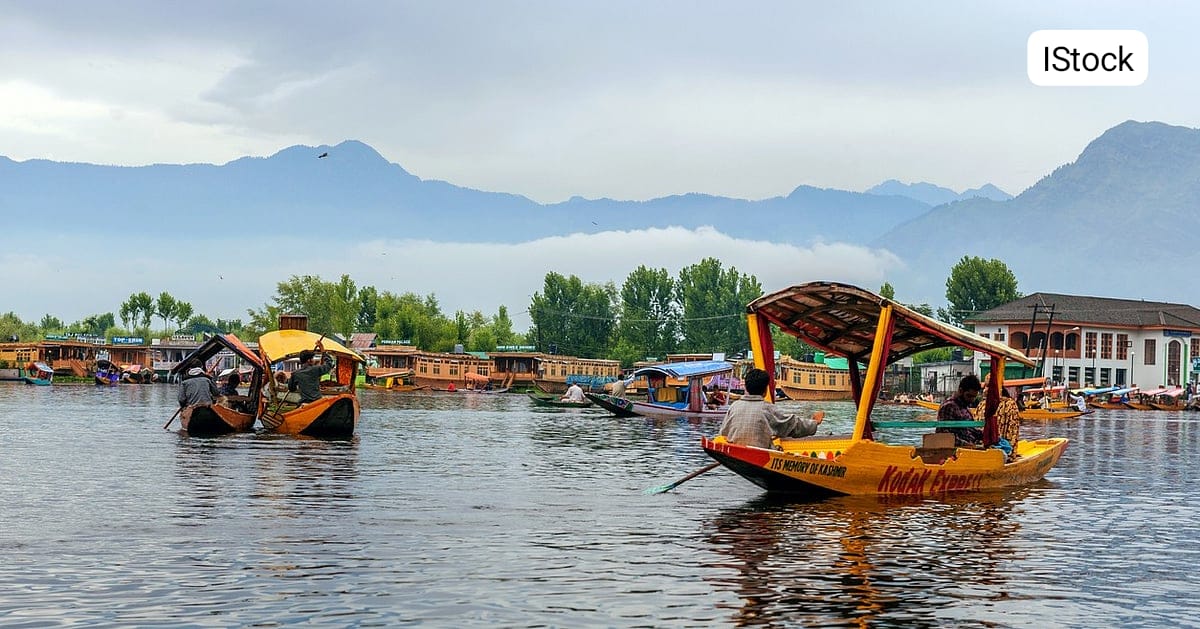
People remain outside later. Commercial areas are busier. Public events attract families. Students participate in competitions, cultural programmes and sporting activities. Hotels, restaurants and transport operators plan for expanding demand. Destinations once considered difficult or unfamiliar are entering tourist itineraries.
This confidence cannot be manufactured through publicity. Visitors travel when they believe a destination is welcoming and reasonably secure. Businesses invest when they believe activity can continue. Families venture into public spaces when fear no longer dominates every decision.
Jammu and Kashmir recorded more than 2.3 crore touri…