


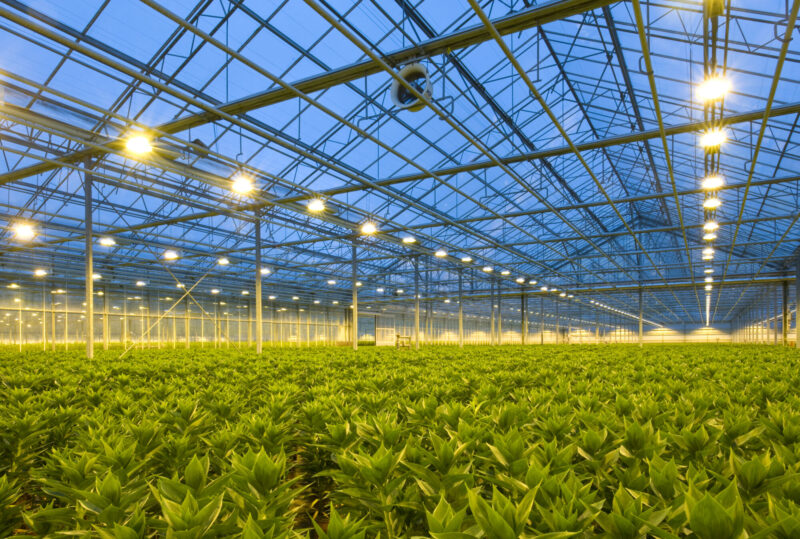
In the ever-evolving realm of agriculture, one of the most significant challenges farmers and gardeners face is the unpredictability of the weather. From early frosts to sweltering heatwaves, climatic extremes can damage crops, reduce yields, and even cause total losses.
A sustainable and increasingly popular solution to these weather constraints is the Seasonal Greenhouse – a strategic structure designed to extend growing seasons and protect crops against adverse conditions.
Seasonal Greenhouses are typically designed to optimize plant growth during specific parts of the year, mainly early spring, late fall, or even winter, depending on the design and regional climate. These structures can range from simple high tunnels to more advanced polycarbonate or glass constructions equipped with passive solar heating and natural ventilation systems.
Extended Growing Season: Seasonal greenhouses allow growers to start planting earlier in the spring and harvest later into the fall. This added time can mean multiple growing cycles or the cultivation of crops that would otherwise be limited by frost or heat.
Protection from Weather Extremes: Greenhouses shield crops from heavy rain, strong winds, hail, and unseasonal frosts. They also help regulate temperature swings that could stress plants or stunt their development.
Protection from Weather Extremes: Greenhouses shield crops from heavy rain, strong winds, hail, and unseasonal frosts. They also help regulate temperature swings that could stress plants or stunt their development.
Improved Crop Quality and Yield:By reducing exposure to pests, pathogens, and harmful weather conditions, plants grown in seasonal greenhouses often exhibit healthier growth, higher-quality produce, and increased yields.
Water Efficiency: With reduced evaporation and the ability to control irrigation more precisely, seasonal greenhouses help conserve water, providing a critical advantage in regions facing droughts or water restrictions.
Cold Frames and Low Tunnels:These are small, cost-effective structures suitable for home gardens or small farms. They provide minimal heating but sufficient protection to extend the growing season by weeks or months.
High Tunnels: More robust and spacious, these structures are ideal for commercial use. They often rely on passive solar energy and may include roll-up sides for ventilation—solar Greenhouses. Designed to capture and retain heat using thermal mass (such as barrels of water or stone), solar greenhouses can support winter growing in colder climates without the need for additional heating.
Combating Climate Change with Seasonal Greenhouses: With the increasing unpredictability of weather due to climate change, seasonal greenhouses are emerging as a vital tool in climate-resilient agriculture. They offer a sustainable way to buffer the effects of extreme weather events, enhance food security, and promote local food production even in challenging conditions.
A seasonal greenhouse is more than just a shelter, which is a proactive step toward sustainable and resilient farming. By mitigating the effects of harsh weather and extending the productive window of crops, these structures empower growers to maintain consistent harvests in an increasingly erratic climate. As technology advances and materials become more affordable, seasonal greenhouses will likely play an even larger role in the future of agriculture.