

KATHMANDU – Nepal’s Prime Minister K.P. Sharma Oli resigned on Tuesday, plunging the country into fresh political uncertainty. His resignation follows two days of widespread and violent anti-corruption protests that were initially triggered by a government-imposed ban on social media. The unrest turned deadly on Monday, resulting in the deaths of 19 people and over 100 injuries as demonstrators clashed with police.
The protests, largely driven by Gen Z youth, escalated after the government banned 26 social media platforms, including Facebook and X, claiming they had not complied with local registration requirements. This move was seen by many as an attempt to silence a growing online movement that had been exposing the lavish lifestyles of politicians’ children and alleging widespread government corruption. The demonstrators’ anger was fueled by the stark contrast between the wealth of the political elite and the economic struggles faced by ordinary citizens.


While Oli’s government lifted the social media ban on Monday in an attempt to de-escalate the situation, the concession failed to appease the protesters. The demonstrations intensified, with thousands defying an indefinite curfew and attempting to storm parliament, leading to the fatal clashes with police who used tear gas, rubber bullets, and live ammunition.
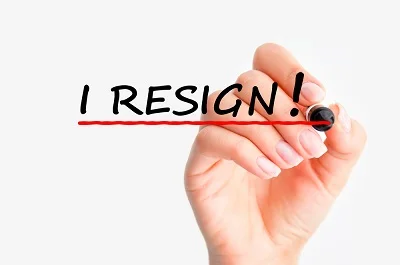
In his resignation letter to President Ramchandra Paudel, Oli cited the “adverse situation in the country” and stated his decision was made to “facilitate the solution to the problem and to help resolve it politically in accordance with the constitution.”
This recent turmoil is the worst in decades for the Himalayan nation, which has struggled with persistent political instability and economic uncertainty since its monarchy was abolished in 2008. The ongoing unrest highlights deep-seated public frustration with the political system and the demand for greater accountability.