


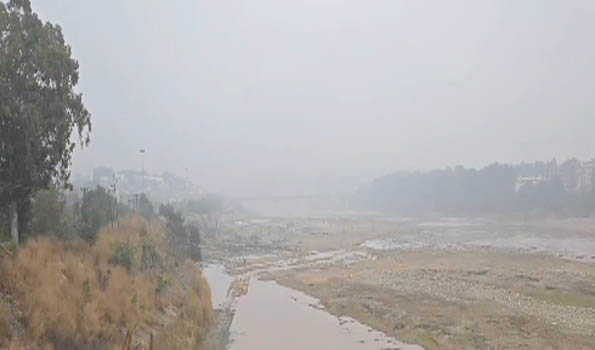
The picturesque valley of Kashmir, often celebrated for its pristine landscapes and fresh mountain air, is now grappling with an escalating environmental crisis: worsening air quality in its urban centers. Once known for their clean, crisp atmosphere, cities like Srinagar—the summer capital of Jammu and Kashmir—are increasingly cloaked in a haze of pollution that threatens both public health and the region’s delicate ecosystem.
Over the past few years, residents of Srinagar and surrounding cities have witnessed a steady increase in air pollution, particularly during the winter months. This trend has set off alarm bells among environmentalists, healthcare professionals, and the local population alike. The deteriorating air quality is no longer just a seasonal inconvenience but a year-round concern with far-reaching consequences.


Several factors contribute to the growing pollution levels in Kashmir’s cities, forming a complex web of environmental challenges. Foremost among them is vehicular emissions. The surge in vehicle ownership and frequent traffic jams in urban areas have significantly increased the release of harmful pollutants such as carbon monoxide (CO), nitrogen dioxide (NO₂), and fine particulate matter (PM2.5 and PM10). These pollutants are known to cause a range of respiratory and cardiovascular issues, especially in vulnerable populations such as children and the elderly.
Adding to this is the widespread use of firewood for heating during Kashmir’s harsh winters. Despite being a traditional method of keeping warm, burning firewood emits large amounts of smoke and particulate matter, affecting not only the outdoor air but also indoor air quality. In densely populated neighborhoods, this results in smoggy conditions that persist for days, reducing visibility and exacerbating health problems.
The rapid pace of urban development is another key contributor. Construction activities across the valley, often lacking adequate dust control measures, release vast amounts of particulate matter into the air. With urban sprawl continuing unabated, the dust and debris from building sites further compromise air quality, compounding an already severe problem.
Industrial emissions, though less prevalent than in major industrialized cities, are still a major concern in Kashmir. Small-scale industries, such as brick kilns, often operate without stringent environmental regulations. These kilns release thick plumes of smoke and ash into the atmosphere, adding to the toxic mix of pollutants that now characterizes the air in many parts of the region.
The air pollution crisis in Kashmir’s urban areas is no longer a problem that can be sidelined. It demands urgent, coordinated action. While some efforts have been made to curb emissions and improve environmental monitoring, the scale and pace of intervention remain insufficient. A long-term, sustainable solution requires the implementation of stricter environmental regulations, the promotion of cleaner energy alternatives, smarter urban planning, and active community participation.
The future of Kashmir—its natural beauty, its biodiversity, and the health of its people—depends on how effectively this crisis is tackled. Without decisive and immediate measures, the valley may lose its once-pristine air, turning its iconic misty mornings from poetic to perilous.