

The name Kashmir is believed to have come from Kashyapa-Mira or Kashyapa-Mar, referring to the sage Kashyapa, who according to legend, drained a massive lake to create the valley. Some historians also link the name to the Sanskrit word Kasmira, which means “land dried from water. Kashmir has always been a land of deep knowledge and culture. It was once a major centre for Hindu and Buddhist learning. Emperor Ashoka introduced Buddhism here, and under the rule of the Kushan Empire, the religion flourished. By the 8th century, powerful Hindu kings like Lalitaditya of the Karketta dynasty expanded Kashmir’s influence across North India and Central Asia.
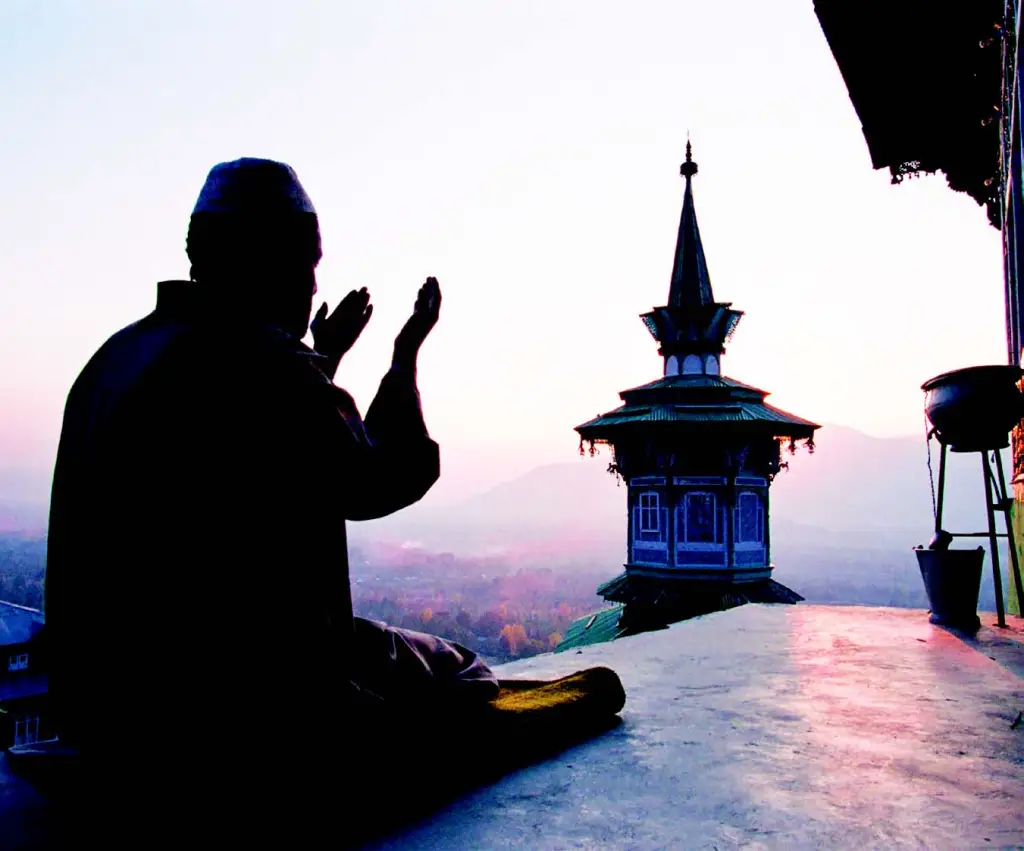
Islam made its way into Kashmir in the 14th century, largely due to Persian and Central Asian influences. However, it was Sufi saints like Bulbul Shah and Sheikh Noor-ud-din Noorani Nand Rishi who truly shaped the Islamic culture of the region. Their teachings merged Islamic beliefs with local traditions, creating a unique cultural identity known as Kashmiriyat a blend of Hindu, Buddhist and Islamic influences. During the Mughal era 1586-1752, Kashmir flourished in terms of art, architecture and economy. The Mughals were fascinated by its beauty and contributed greatly to its development. However, after the Mughals, the region went through several rulers-the Afghans, the Sikhs and finally the Dogras in 1846 under Maharaja Gulab Singh.
When India gained independence in 1947, the princely states had to choose whether to join India or Pakistan. The ruler of Jammu & Kashmir, Maharaja Hari Singh, initially wanted to stay independent. However, when Pakistan-backed tribal forces invaded Kashmir, he sought India’s help. He signed the Instrument of Accession, making Kashmir a part of India. The regions of Jammu, Kashmir and Ladakh remain in India’s administration post conflict with Pakistan. However, Gilgit-Baltistan and Pok are controlled by Pakistan.
By 1989, tensions in Kashmir had escalated. Frustration among some sections of the Kashmiri population along with Pakistan’s support for militant groups, led to a violent insurgency. Several extremist organisations, including Lashkar-e-Taiba Let and Jaish-e-Mohammed carried out deadly attacks. The 1990s saw one of the darkest periods in Kashmir’s history-the exodus of Kashmiri Pandits. Thousands of Hindu families were forced to flee their homes due to threats and violence by militants. Over the years, India launched strong Counter-Insurgency Operations and by the early 2000s, militancy had started to decline. However, incidents like the 2016 Burhan Wani protests and the 2019 Pulwama attack once again increased tensions, leading to serious clashes between India and Pakistan.
Recent years have witnessed significant political changes including revocation of Article 370 by the Government of India in 2019, which removed Jammu and Kashmir’s special status. This move has sparked debates, protests and international attention. While diplomatic efforts are on status quo between India and Pakistan, the aspiration of local Kashmiri people remains the epicentre for the Indian Government as sustainable peace in the region require infrastructure boost, education, economic development and addressing the historical grievances.
Kashmir’s story is one of unparallel beauty, rich cultural heritage and magnificent landscapes. As the world looks up to India, people of Kashmir continue to seek a future that honours their identity while fostering peace and stability in the region. Understanding Kashmir’s past and present is crucial in working towards a harmonious resolution for our generations to come.
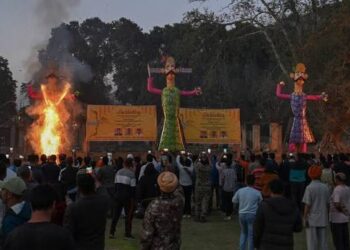
Dussehra in Kashmir: A Message of Harmony, Hope and Righteousness
Arshid Rasool Dussehra, also known as Vijayadashami, is one of India’s most significant festivals, symbolising the victory of good...
Read more