

High up in the rugged mountains of Northern Kashmir, where the scenery is spectacular but the winters are unforgiving, a quiet shift is taking place. For a long time, mentioning the Gurez and Tulail Valleys brought to mind images of beautiful but completely isolated places. Sitting right along the Line of Control (LoC) and ringed by massive peaks, these border communities used to be cut off from the rest of the world for nearly half the year by heavy winter snows. Now, that old reality is fading. Rather than a sudden industrial boom, the change is coming from something much simpler: new and upgraded border roads. What began as basic infrastructure for military movement is now changing everyday life, turning remote outposts into connected, lively villages.
Historically, winter in Gurez and Tulail meant that normal life stopped entirely. The massive Razdan Pass, sitting at over 11,600 feet, was a barrier. Once the heavy snows hit, the pass blocked all travel and isolation settled over the valley. Families had to stockpile six months’ worth of food, medicine and firewood just to get through. If a medical emergency happened during those months, the only way out was by military helicopter, which depended on clear weather. Thanks to the steady work of the Border Roads Organisation (BRO) and Project Beacon, that winter calendar looks very different now. With heavy snow-clearing gear, tougher asphalt and new tunnel engineering, the roads are staying open longer each year. Old bridges that used to collapse under winter avalanches have been replaced with tough steel designs. As a result, the constant worry of being completely stranded is finally fading away for the people living here.


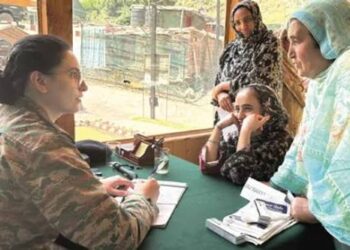
The most meaningful impact of these new roads is measured in lives saved and better opportunities for the younger generation. A sudden medical emergency in a far-off village like Tulail during midwinter could once easily end in tragedy. Now, wider, smoother roads allow ambulances to navigate the mountain terrain much faster, linking local clinics directly to larger hospitals in Bandipora and Srinagar. Schools have seen a major lift as well. Teachers from the main Kashmir Valley can now travel to or stay in these mountain schools without a brutal commute. Even better, local teenagers no longer see higher education as something out of reach. With reliable roads, students can move to Srinagar for college or university without worrying that they’ll be blocked from returning home to see their families for months on end.
The clearest economic shift is happening in tourism. Just a few years back, Gurez was a tightly restricted border zone that required special travel permits, meaning only a handful of adventurous travellers ever made the trip. As the roads smoothed out, the drive up from Srinagar became an accessible, incredibly scenic road trip. Today, travellers are heading up to see the clear waters of the Kishanganga River, the famous Habba Khatoon peak and the traditional log-cabin villages of Tulail. This steady stream of visitors is injecting fresh energy. Local families are renovating traditional wooden homes to welcome guests, creating a direct path to earning a steady living right at home.
Instead of leaving for crowded cities to find basic labour jobs, local youth are staying in the Valley to work as mountain guides, run small cafes or operate local transport services.
Growing interest among tourists has given the unique Dard-Shin culture and language a broader audience, bringing renewed pride to the community.
For farmers across Gurez and Tulail, better roads mean their hard work actually pays off. The soil in these Valleys is ideal for high-quality organic crops such as black cumin (kala zeera), mountain potatoes and unique local pulses. In the past, without fast transportation, a huge portion of the harvest would spoil long before it could ever reach consumers in mainland Kashmir. Now, with dependable, all-weather roads, trucks can load fresh produce straight from the fields of Tulail and reach the markets of Srinagar in just a few hours. This allows farmers to shift from just growing enough food to survive to running a real commercial business, helping them secure fair prices without relying on middlemen. “A road is more than just asphalt and gravel, in a border Valley, it is a promise that you haven’t been forgotten.”
The evolving story of the Gurez and Tulail valleys proves that regional security and human welfare go hand in hand. By cutting roads through solid rock and heavy ice, the teams working on the border have done far more than secure a map line, they have provided a literal lifeline. As the pavement winds deeper into the mountain folds, it brings the modern world along with it. This connectivity isn’t ruining the quiet charm of these border areas, instead, it’s giving the people who live there the tools to build their own future. Inside the homes of Gurez, local hands are busy stitching together financial independence and the highway outside connects those local dreams to the rest of the world.