


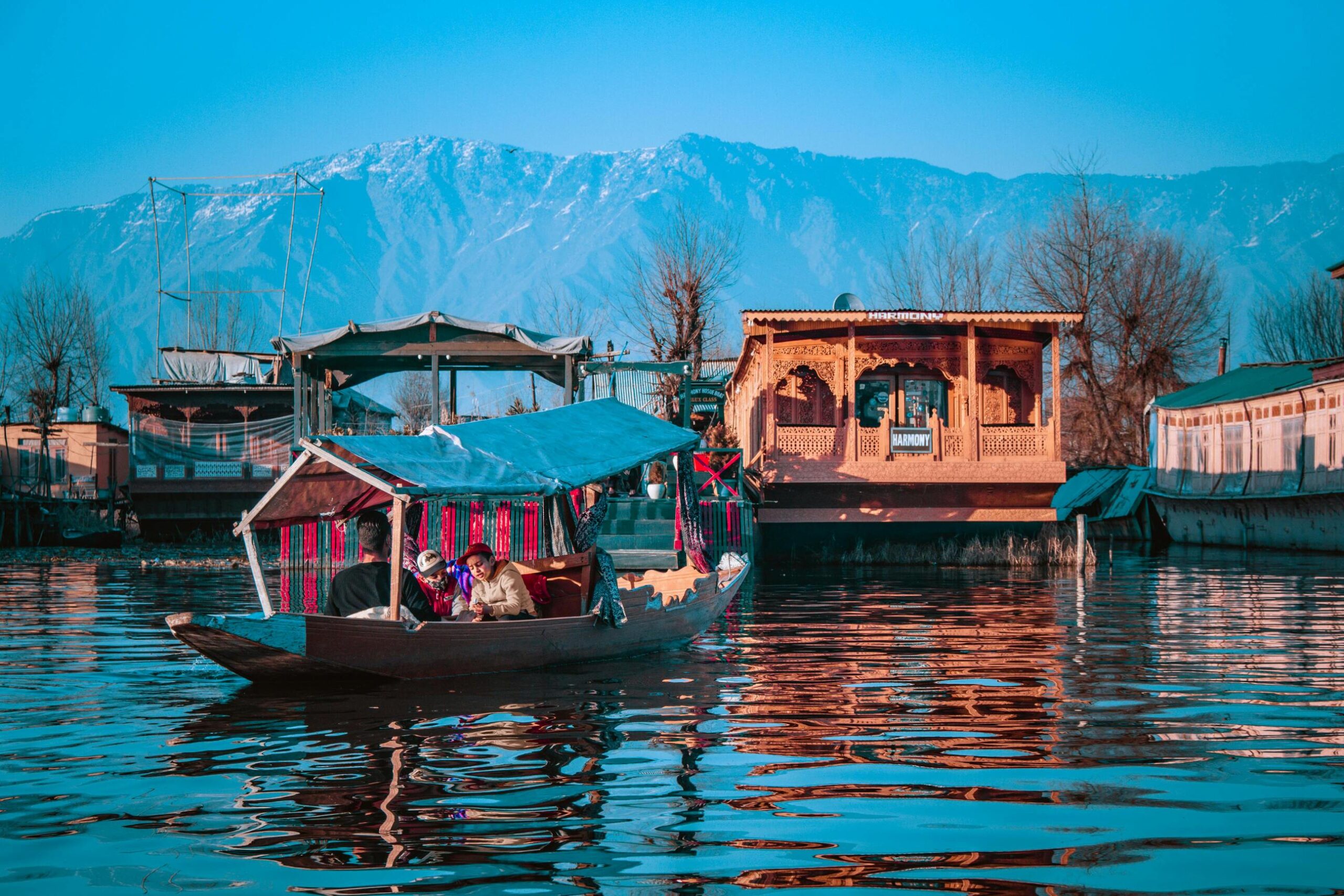
Kashmir is often celebrated for its snow-capped mountains, serene lakes and breathtaking landscapes, but its true identity extends far beyond its natural beauty. At the heart of the Valley lies a rich cultural heritage shaped by centuries of shared traditions, spiritual wisdom and artistic excellence. More than a geographical region, Kashmir is a living tapestry of diverse influences that have blended over time to create a unique and enduring way of life. Ancient legends describe the Valley as a vast lake that gradually receded, revealing fertile land surrounded by towering mountains. This landscape nurtured an important centre of learning and spirituality, where Hindu and Buddhist traditions flourished and scholars made significant contributions to philosophy, literature, aesthetics and the study of human consciousness.
Over the centuries, traders, travellers and spiritual leaders from Central Asia and Persia introduced new ideas, languages and artistic traditions to the region. Rather than replacing existing customs, these influences merged with local practices, giving rise to the philosophy of Kashmiriyat. Rooted in mutual respect, coexistence and cultural harmony, Kashmiriyat reflects the shared values that have connected people across religious and social boundaries for generations. This spirit of inclusivity remains one of Kashmir’s most enduring legacies, shaping its social fabric and collective identity.
Kashmir’s cultural richness is perhaps most visible in its extraordinary craftsmanship. Generations of artisans continue to preserve traditional skills that have been passed down through families for centuries. Among the Valley’s most treasured creations are the world-famous Pashmina and Kani shawls, woven from the fine underfleece of Changthangi goats and admired for their warmth, softness and intricate designs. Equally renowned are Kashmir’s hand-knotted carpets, distinguished by their elaborate floral motifs and exceptional craftsmanship. Walnut wood carving transforms locally sourced timber into exquisite furniture and decorative pieces, while papier-mâché artisans create vibrant works of art using recycled paper pulp, hand-painted designs and delicate gold detailing. These crafts not only reflect artistic excellence but also sustain livelihoods and preserve cultural traditions.
Food and festivals form another essential dimension of Kashmir’s cultural identity. The celebrated Wazwan, a traditional multi-course feast prepared by skilled chefs known as wazas, is more than a culinary experience, it is a symbol of hospitality, community and togetherness. Everyday cuisine reflects the Valley’s close relationship with nature, featuring rice, seasonal vegetables, lotus stems, saffron, walnuts and local herbs. Noon Chai, the distinctive pink tea brewed in traditional copper samovars, remains an important social ritual. Kashmir’s diverse traditions are also reflected in festivals such as Eid, Herath and Navroz, which bring communities together through prayers, celebrations and shared meals. Music, especially the soulful tradition of Sufiana Mausiqi, continues to enrich these occasions and preserve the region’s artistic heritage.
Kashmir’s architectural legacy further illustrates its deep connection with nature and history. Traditional shrines and mosques built with deodar wood and intricate latticework showcase a distinctive style adapted to the Himalayan environment. The Mughal gardens, with their terraced landscapes, flowing water channels and majestic chinar trees, embody harmony between nature and design, while the iconic houseboats of Dal and Nigeen lakes reflect the Valley’s unique blend of craftsmanship and hospitality. Despite the challenges of modernisation and social change, Kashmir’s cultural spirit remains …
Handwara Girl’s Cambridge Opportunity Highlights the Global Reach of Kashmir’s Young Talent
Arshid Rasool The journey from a classroom in a remote corner of Kashmir to one of the world's most...
Read more