

Entire India was shocked after terrorists backed by Pakistan, launched a deadly attack on an Indian Army camp in Uri in the wee hours of September 19, 2016, killing 17 soldiers in their sleep. Although security forces killed all the four terrorists involved in the attack, things didn’t end at that.
Prime Minister Narendra Modi promised the nation that those behind this despicable attack would not go unpunished. True to his words, the Prime Minister punished the perpetrators of this dastardly attack by making them pay with their lives, thus marking a significant shift in India’s security doctrine.


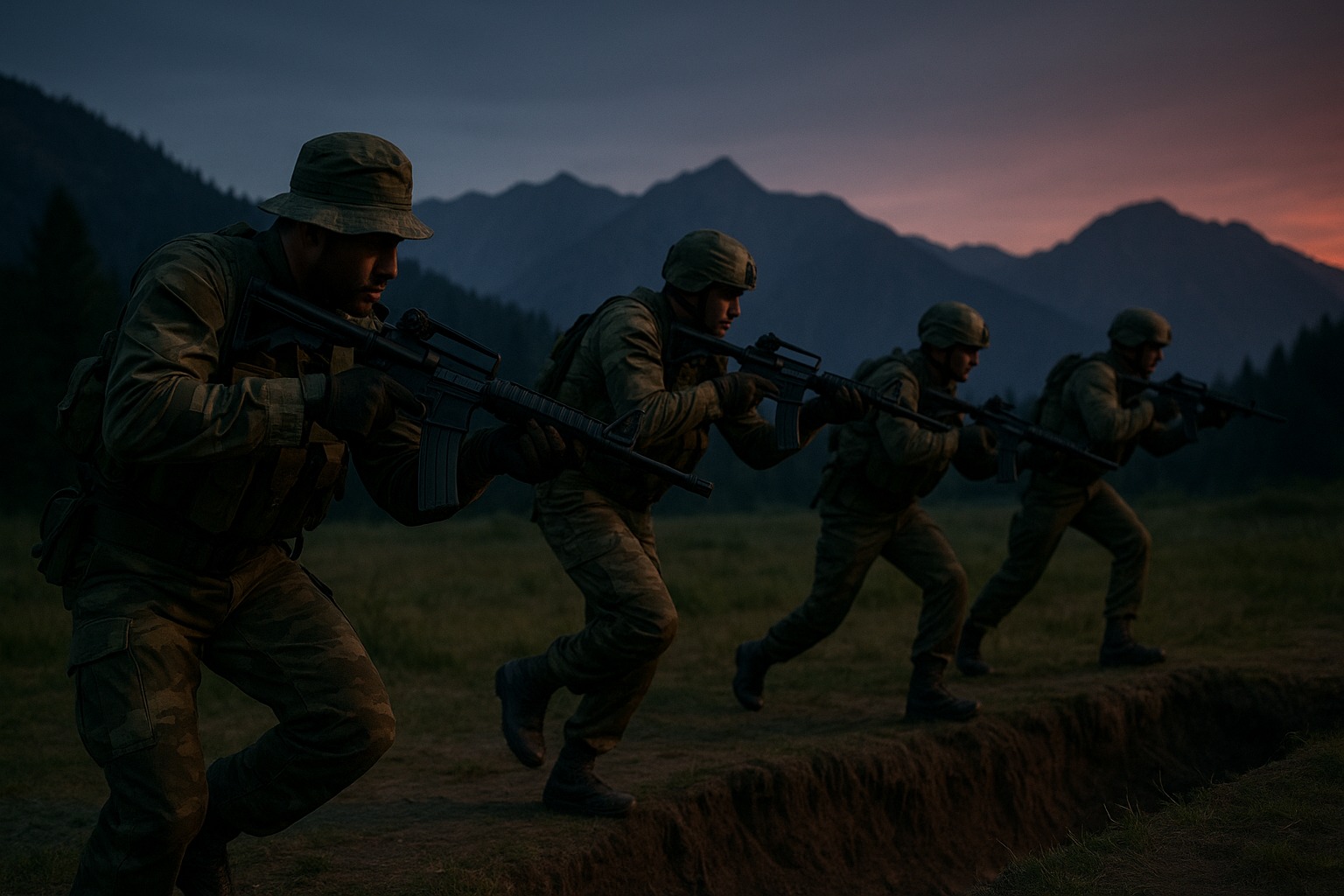
After the attack, the Government of India went into a huddle and chalked out a meticulous plan with the help of precise intelligence inputs. Subsequently, a team of Indian Army Special Forces personnel carried out a decisive surgical strike by going across the Line of Control (LoC) in the early morning on September 29, 2016, eliminating seven terrorist launch pads, killing all terrorist elements who were planning to infiltrate into India from those launch pads. There was no confirmed number of casualties suffered by the terrorists, but reports said over 100 of them were killed in this operation.
This decisive action by the Government of India ushered in a new era of decisive retaliation against cross-border terrorism, a policy characterised by the three core pillars of decisive response, zero tolerance for nuclear blackmail, and holding terror sponsors accountable. This operation demonstrated India’s intent and capability to strike terrorist launch pads, signalling a more assertive posture and restoring strategic deterrence in South Asia.
The 2016 Uri surgical strike was a turning point in India’s security strategy, marking a shift from restraint to proactive, punitive action against cross-border terrorism. India’s government broke with past policies of responding to such attacks with statements rather than military action, signalling its willingness to punish terrorist groups and their state sponsors with increased intensity. This demonstrated a new political will and capacity for enhanced response, setting a precedent for future operations like the 2019 Balakot airstrikes and the Operation Sindoor conducted in May this year.
For years now, Pakistan has been using terrorism as an instrument of State policy against India. Be it the attacks on our Parliament, the Mumbai local train serial blasts, 26/11 Mumbai terror attacks, Akshardham temple siege or any other major terrorist activity executed by Pakistan-based terror groups (like Lashkar-e=Taiba (LeT) or Jaish-e-Mohammad (JeM) or its offshoots) against, India always avoided a direct action against terror groups. The reason for this was fear of a nuclear war with Pakistan, which could be disastrous for the most populous geographical region in the world.
But, the surgical strikes were a significant departure from India’s traditional approach of avoiding direct military action across the LoC in response to terrorist attacks. The government showed its political will and strategic maturity in its response, not breaking away from its past political tradition of being a country, which resorts to its military option, only when all other options have worn off, to defend itself territorially.
The operation was a clear signal to Pakistan that any act of terror would be punished. It also showed the government’s seriousness in countering cross-border terrorism. The act aligned with National Security Advisor Ajit Doval’s articulated strategy of shifting from purely defensive to a “defensive-offensive” approach. The strike occurred within a new framework of asymmetrical warfare, where the risk of escalation at the conventional and nuclear levels prompts limited, punitive operations instead.
The surgical strike along the LoC was a targeted operation against seven specific terrorist launch pads and not an aggressive policy taken against any country. The successful response set a precedent for future situations, notably the Balakot airstrikes in response to the Pulwama attack and more recently Operation Sindoor this year, further solidifying this new, more assertive security posture.